People ask me, fairly often and with a little disbelief, why I still vet every performer myself. I have a company. I have a musical director — Isaac, my husband, who has forgotten more about arranging than most people will ever learn. I could build a form. I could hire a coordinator to watch the tapes and check the boxes and send me a tidy spreadsheet of who passed.
I won’t. Not because I’m a control freak — okay, partly because I’m a control freak — but because the thing I’m actually vetting for cannot be put in a box on a form. And after 500+ events, I’ve learned exactly what that thing is, and exactly how a demo reel hides it.
Let me be clear about what a demo reel is. It is a highlight. It is the four best minutes of someone’s best night, color-corrected, with the crowd cut in at the loudest moment. I have made plenty of them. They’re useful — they prove the voice is there, the chops are there, the look reads on camera. What they do not prove is the only thing I care about.
The thing a tape cannot show you
Here’s the test I’m really running, and you cannot film it: can this person pull back a room that went flat at 10 PM?
Every event has a dip. The toasts ran long, the venue is a touch too cold, dinner sat heavy, and somewhere around 10 PM the energy in the room just… leaves. The dance floor empties. The guests check their phones. This moment is invisible on a reel because nobody puts their worst moment on a reel. But it is the moment. It’s the difference between a band that performs at a room and a band that reads one.
What I’m watching for is the recovery. Does the singer feel the drop before it fully lands? Do they reach for the song that pulls people back instead of the song that was next on the chart? Do they make eye contact with the one couple still on the floor and play to them until three more couples join? That’s not talent. Talent is the baseline — everybody I’m even considering can sing. That’s instinct, and judgment, and a kind of generosity under pressure. You can only see it live, in a room that isn’t going well, when nobody’s filming.
So that’s where Isaac and I do our vetting. From the stage. From the side of the stage. From the back of a ballroom at the Bellagio at 10 PM watching how somebody handles the dip. Not from a laptop.
Why we vet from the stage, not the screen
There’s a practical version of this and an emotional one.
The practical version: I’ve shared a stage with these players, or I’ve stood ten feet away while they worked a real room with real stakes — a wedding where the bride’s father is watching, a corporate night where somebody’s bonus is riding on the room feeling alive. That’s a different audition than “send me your reel.” I’ve seen the trumpet player who’s flawless on tape go stiff when the timeline blows up. I’ve seen the pianist nobody was talking about quietly hold an entire cocktail hour together with a smile and a setlist they rewrote on the fly. The screen would have lied to me about both of them.
The emotional version: live music is the emotional heartbeat of an event. When I put a performer in front of your guests, I am handing them the most charged moments of someone’s life — the first dance, the father-daughter dance, the CEO’s retirement, the toast that makes the whole room cry. That is not a slot to fill off a marketplace roster. That is a person I am vouching for, by name, to the people who trusted me. I am not going to vouch for someone I met through a video.
This is the whole reason I built LMS Entertainment as a curated roster instead of a directory. I don’t want to hand you a catalog and wish you luck. I want to curate the right people for your room — the configuration, the energy, the feel — the way a good sommelier reads the table before pulling a bottle. Copy-and-paste is the enemy. A marketplace gives you copy-and-paste with a search bar on top.
A demo reel is a highlight. I want to see the recovery.
One human, one name on it
Here’s the part I feel most stubborn about. Somewhere along the way, our industry decided that “scale” meant putting more layers between the buyer and the person who actually walks on stage. An algorithm matches you. A coordinator confirms you. A logistics team books you. And when the band that shows up isn’t the band in the photos — different players, met in the parking lot at 4 PM — there is no single human who put their name on that and meant it.
I am that human. When you book through me, the accountability has a face and a phone number — 702-858-2682, and it’s me on the other end. If a performer I vetted has an off night, that’s on me, personally, and I will fix it personally. I think that kind of accountability is almost extinct in this business, and I think it’s the entire ballgame. Lisa & Isaac personally vet every performer. 99% of entertainment companies cannot say that — not because they’re lazy, but because their model literally doesn’t allow it. You cannot personally vouch for a roster you’ve never watched work.
I want to be fair here, because I always try to be. There are wonderful musicians on the marketplaces. The marketplace model isn’t evil — it’s just optimized for availability, not for the room. It answers “who’s free on the 14th?” My job answers a harder question: “who is right for this exact night, and will they catch it when it dips?” Those are not the same question, and I will not pretend they are.
What this costs me, and why I pay it
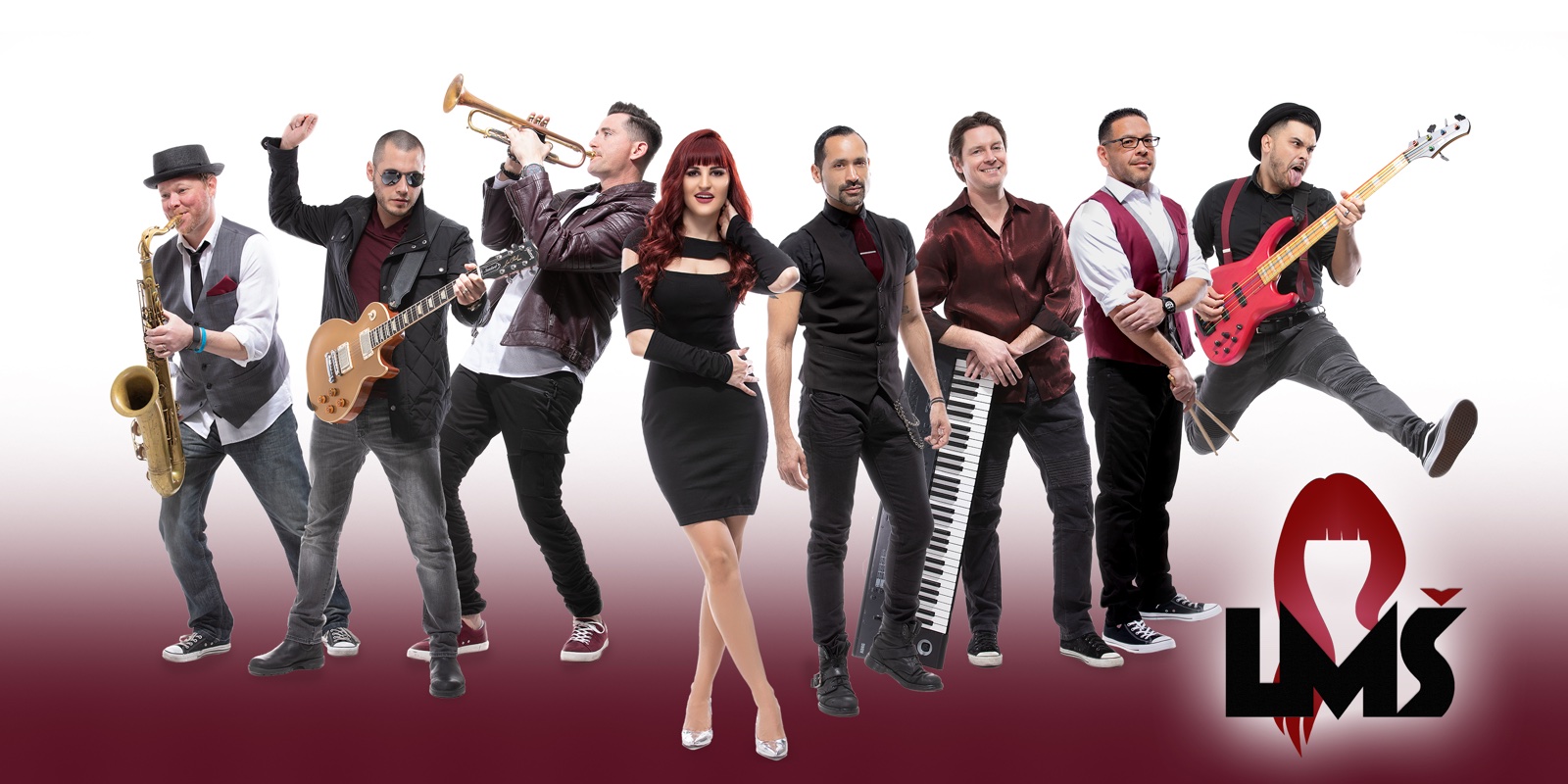
Vetting this way does not scale the way investors like. It’s slower. It means I say no to acts that look great on paper. It means some nights I’m at the back of a ballroom when I could be home. But it’s why, when you book a band through me — whether it’s Live Music Society, the band Isaac and I lead ourselves, or any act on the roster, from a solo pianist to a 15-piece showband — I can promise you the same thing every time: these are people I have watched work, the sound is included, there are no hidden fees, and there’s a name on it. Mine.
So, yes. I still vet every performer myself. I’m going to keep doing it until I physically cannot get to the back of the room. It’s the one job I will never put on a form.
Planning a night you can’t afford to leave to an algorithm? Tell me about your event and I’ll curate it personally. No copy-and-paste. No surprises on the invoice. Just the right people for your room.
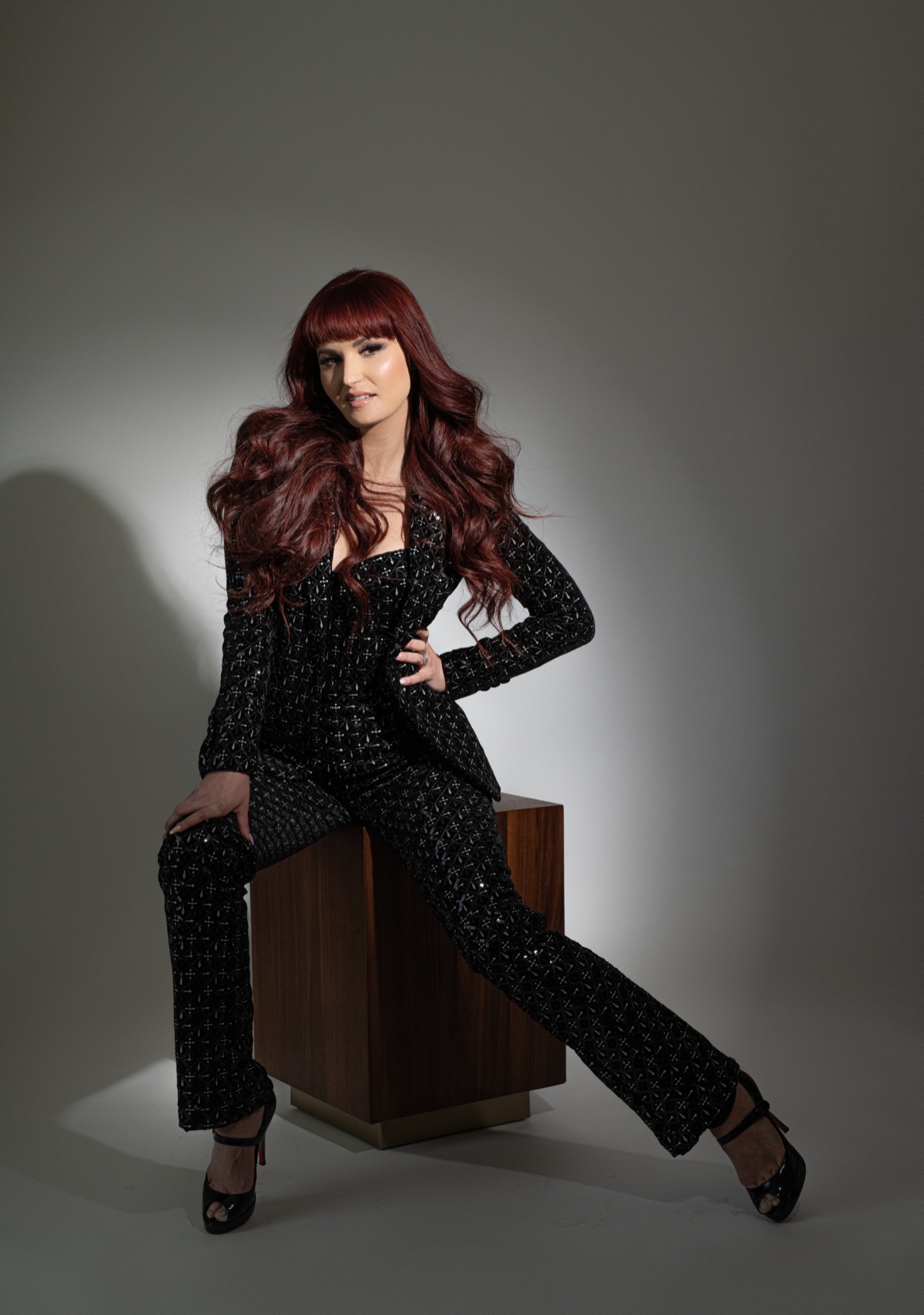
Lisa Marie Smith leads Live Music Society, the Las Vegas corporate and wedding band she runs with Isaac Tubb, and founded LMS Entertainment. She writes The Column bi-weekly.